A commercial ice machine failure at a restaurant, bar, hotel, or convenience store is more than an inconvenience. It is an immediate revenue impact. Every hour without ice affects beverage service, food safety, customer satisfaction, and staff efficiency. In the Des Moines metro, commercial ice machine service must be fast, reliable, and understand the specific requirements that separate commercial equipment from residential ice makers.
This guide walks through why commercial ice machines fail, the food safety implications of ice equipment downtime, cost expectations for common repairs, and how to choose service providers who can handle commercial equipment properly.
Why Commercial Ice Machines Are Different
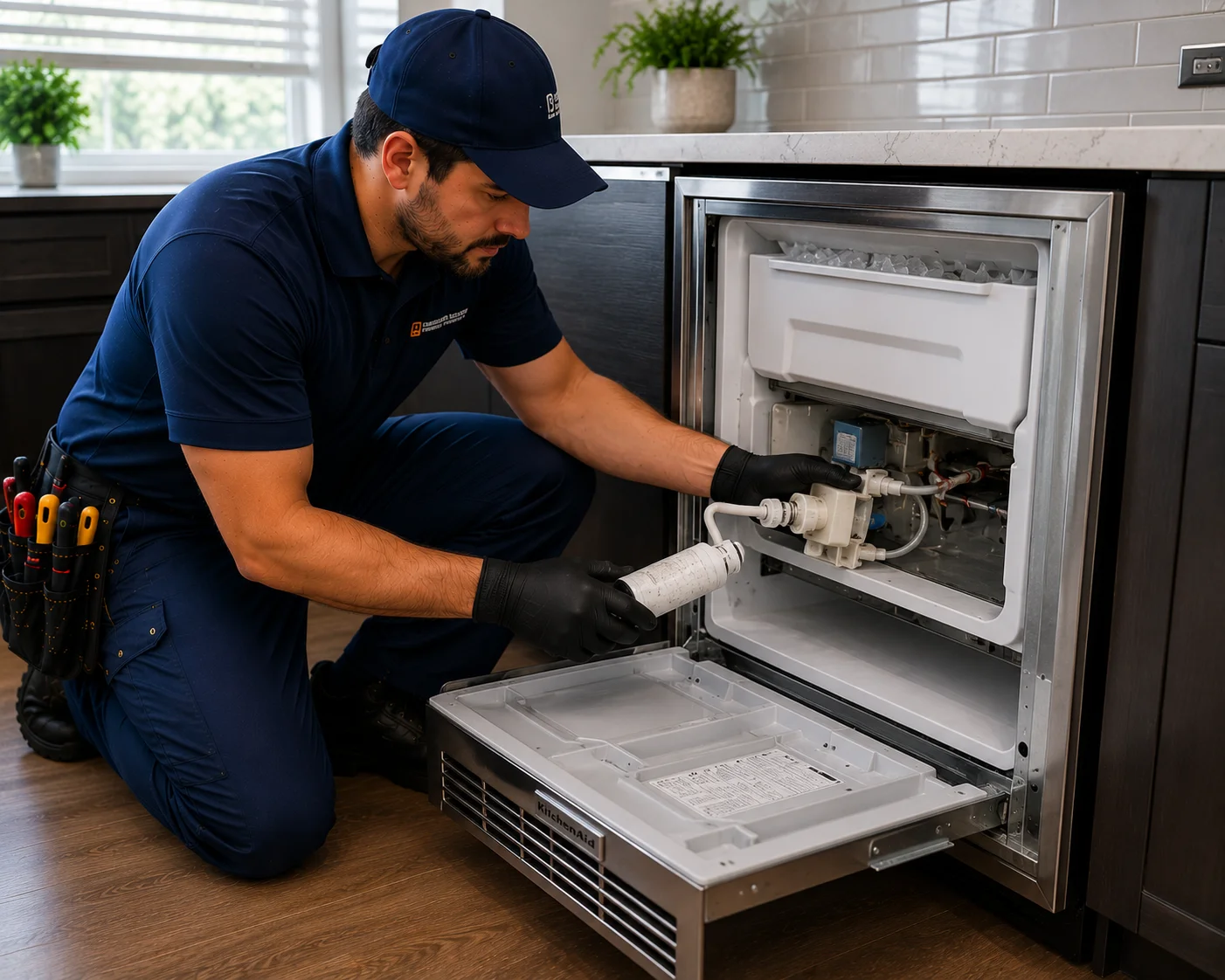
Commercial ice machines are engineered fundamentally differently than residential refrigerator ice makers. Understanding these differences matters when booking service.
Production volume. Commercial units produce 100 to 2000 pounds of ice per day. Residential ice makers produce 3 to 5 pounds daily. The volume gap requires entirely different cooling systems, water supply, and mechanical designs.
Continuous duty cycles. Commercial units run essentially continuously during peak business hours. Residential units cycle on and off with normal refrigerator operation. Continuous duty requires heavier duty compressors, motors, and controls.
Water quality requirements. Commercial ice equipment often requires water filtration or softening beyond municipal supply. Iowa water at 8 to 15 grains per gallon can cause rapid scale buildup without proper pretreatment.
Sanitation and food safety standards. Commercial ice is regulated as food. Ice equipment must be sanitized regularly and any repair must maintain food contact surface integrity. Health department inspections check ice equipment condition.
Downtime cost. A restaurant losing ice service during dinner rush can lose thousands in revenue. Response time is critical.
Our team handles commercial ice machine service across the Des Moines metro. If you need appliance repair Des Moines service for commercial equipment specifically, we cover ice machines with same day emergency dispatch.
Most Common Commercial Ice Machine Failures
1. No ice production. Water supply issue, failed water inlet valve, compressor failure, or control board malfunction. Most common emergency call.
2. Slow ice production. Dirty condenser coils reducing cooling efficiency, low refrigerant, worn water pump, or scale buildup in the evaporator.
3. Ice quality issues. Cloudy ice, small cubes, hollow ice, or ice with mineral deposits. Usually water treatment or filter issues.
4. Water leaking underneath. Failed drain pump, cracked water reservoir, or condensate management issue.
5. Ice not dumping into bin. Stuck harvest cycle, failed thermistor, or defective harvest sensor. Ice freezes solid to evaporator and does not release.
6. Unit shuts off intermittently. High pressure switch tripping (usually condenser air flow issue), safety timeout, or control board fault.
7. Loud noises during operation. Compressor bearing failure, fan motor issues, or pump problems. Different sounds indicate different components.
Food Safety Implications of Ice Machine Issues
Ice contamination is a serious food safety concern for commercial establishments.
Mold or bacterial growth in ice bins or ice makers can contaminate every drink served. Symptoms include off tastes, visible slime, or musty smells.
Failed water filters allow harmful minerals and potential contaminants into ice production. Filters should be replaced on manufacturer recommended schedules.
Ice equipment repairs require food contact surface handling. Repairs must use food safe lubricants and sanitizing procedures.
Iowa Department of Inspections and Appeals regulates food establishments including ice equipment. Failed inspections can force temporary closure until issues are resolved.
Preventive maintenance including quarterly sanitizing is essential for food safety compliance and customer health protection.
Common Commercial Ice Machine Brands in Des Moines
Hoshizaki: Premium commercial brand known for reliability and long service life. Parts widely available through commercial suppliers.
Manitowoc: Very common in Des Moines restaurants and bars. Multiple model lines from undercounter to floor standing.
Scotsman: Popular for both ice production and dispensing equipment. Various ice shapes and sizes.
Ice-O-Matic: Mid range commercial units common in small restaurants and convenience stores.
Follett: Specialty units including chewable ice makers popular in healthcare and hospitality.
U-Line: Premium residential and light commercial units common in high end applications.
Each brand has specific service requirements and parts networks. Certified technicians handle multiple brands but expertise varies.
Cost Expectations for Commercial Ice Machine Service
Typical costs including trip fee, parts, and labor in the Des Moines metro:
Diagnostic and minor repair (filter, cleaning, sensor): 200 to 400 dollars.
Water inlet valve replacement: 250 to 450 dollars.
Water pump replacement: 300 to 500 dollars.
Harvest sensor or thermistor replacement: 250 to 450 dollars.
Condenser fan motor replacement: 350 to 600 dollars.
Full descaling and sanitizing service: 250 to 500 dollars.
Control board replacement: 500 to 850 dollars.
Compressor replacement: 800 to 1500 dollars (weigh against replacement).
Emergency same day service premium: 50 to 150 dollars additional.
Commercial ice machines cost 2000 to 8000 dollars new depending on production capacity. Repair usually wins over replacement for units under 10 years old.
Emergency Response Timing for Commercial Customers
Commercial ice machine service should follow different timing than residential appliance repair.
Restaurants during operating hours: Immediate priority dispatch. Response within 2 hours ideal.
Bars during peak service: Same as restaurants. Loss of ice affects entire beverage program.
Hotels: 4 hour response typically acceptable for backup ice supply from residential units in guest rooms.
Convenience stores: Same day response for standalone units. Backup ice available for immediate customer needs.
Healthcare facilities: Critical priority for patient care ice needs. Emergency response required.
Our full appliance repair near me service prioritizes commercial equipment for the fastest response possible in the Des Moines metro.
Preventive Maintenance Contracts for Commercial Ice
Commercial establishments benefit significantly from preventive maintenance contracts.
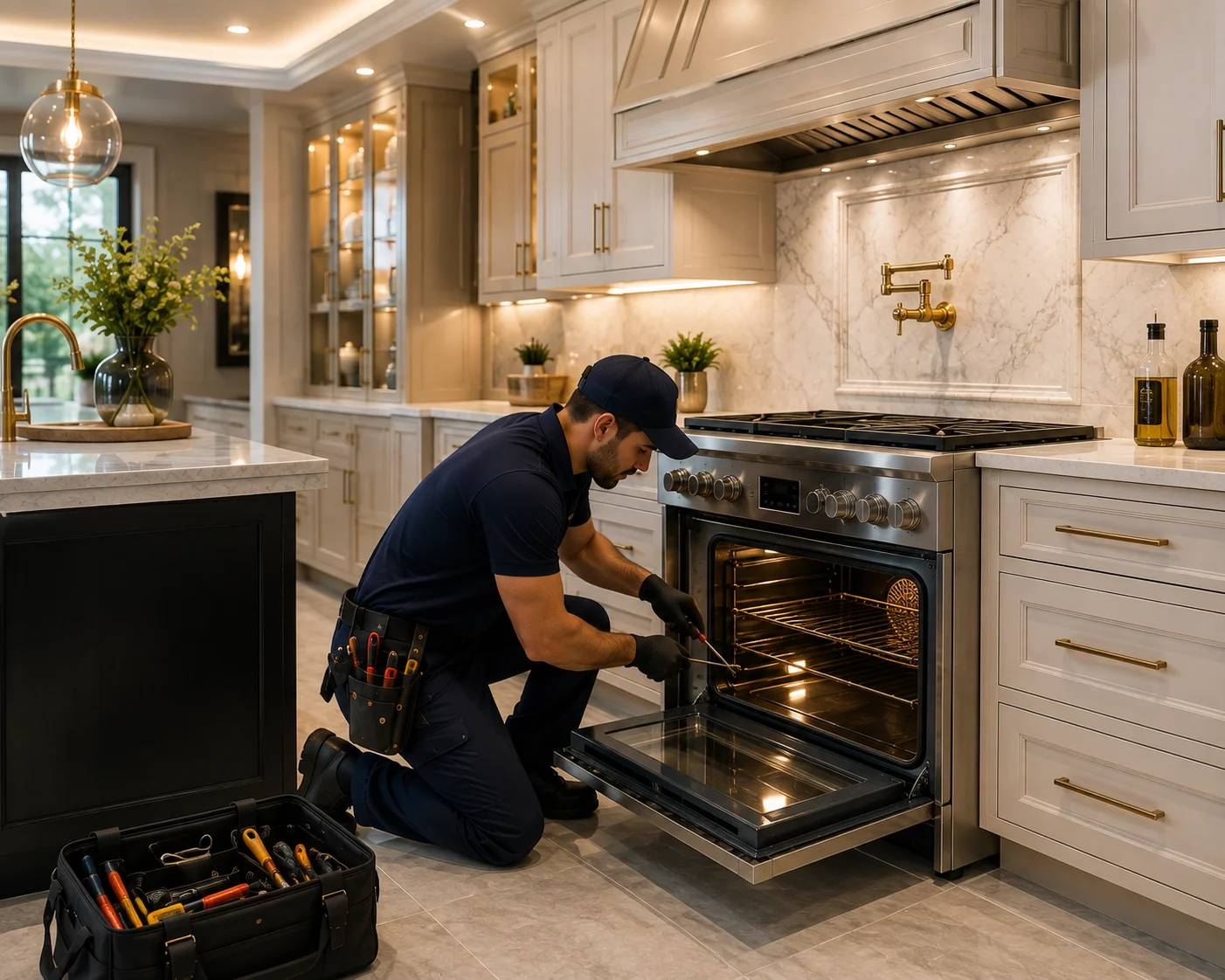
Standard contracts include quarterly cleaning and sanitizing, annual descaling, water filter replacement on schedule, and priority emergency response.
Cost typically 400 to 1200 dollars annually per unit depending on production capacity.
Benefits include reduced emergency repairs, extended equipment life, food safety compliance documentation, and priority service when issues occur.
Break even point on maintenance contract cost is usually reached after avoiding one emergency repair per year.
For businesses with multiple ice production units, volume discounts on maintenance contracts are typically available.
West Metro Commercial Ice Service
West Des Moines and surrounding suburbs have significant commercial ice equipment concentration due to restaurant, hotel, and healthcare development in the area. Our appliance repair West Des Moines service covers the full west metro with commercial equipment expertise. Priority dispatch available for restaurant and hospitality customers during peak service hours.
Ice Machine Warning Signs to Never Ignore
Any of these means shut off the machine and call for service:
Visible mold or slime in the ice bin or on the machine surfaces.
Off tastes or unusual smells in the ice.
Water leaking onto floor creating slip hazards.
Electrical burning smell from the machine.
Ice production stopped completely with no obvious cause.
Health inspector citation or warning about ice equipment.
Continued operation with any of these creates food safety liability and health code violations.
DIY Steps Before Calling for Service
Some ice machine issues can be resolved by staff without professional service.
Step 1: Check water supply valve. Verify the water supply to the ice machine is fully open. Sometimes it gets bumped closed during cleaning.
Step 2: Check the water filter. Overdue filters restrict water flow. Replace if due.
Step 3: Clean the condenser coils and vents. Blocked airflow reduces cooling efficiency. Cleaning takes 5 to 10 minutes.
Step 4: Check the drain line. Clogged drains cause water backup and can trip safety switches.
Step 5: Verify power supply. Check breaker and any GFCI outlets in the circuit.
If these do not resolve the issue, book professional service. Do not attempt internal component replacement without proper training.
Frequently Asked Questions
How long should a commercial ice machine last?
10 to 15 years with proper maintenance. Poorly maintained units may fail at 5 to 7 years.
Are commercial ice machine parts hard to get?
Not for common brands (Hoshizaki, Manitowoc, Scotsman). Certified providers stock common failures. Rare parts may require special order.
Can I use my commercial ice machine with regular tap water?
Not recommended in Iowa due to hard water. Use filtered or softened water for equipment longevity and ice quality.
How often should commercial ice machines be sanitized?
Every 3 months minimum. Some brands recommend monthly for high volume applications.
Does homeowner insurance cover commercial ice machines?
No. Commercial equipment requires business property insurance. Verify coverage terms.
Book Emergency Commercial Ice Service Today
Commercial ice machine downtime costs revenue every hour. Do not wait when equipment fails or shows signs of trouble. If you own a restaurant, bar, hotel, or other business with commercial ice equipment and need fast reliable service, book professional service today. Our team dispatches same day for commercial customers with parts on the truck for common repairs. If you need refrigerator repair near me services that include commercial ice machine expertise, call (319) 410-0530 to book.
Reliable ice service is essential for commercial food and beverage operations. Prompt professional service is what keeps your business running smoothly.
Sources: FDA retail food protection and equipment guidance, CDC guidance on water quality for food equipment, and the Iowa Department of Public Health food safety resources.